
 800 326 9054
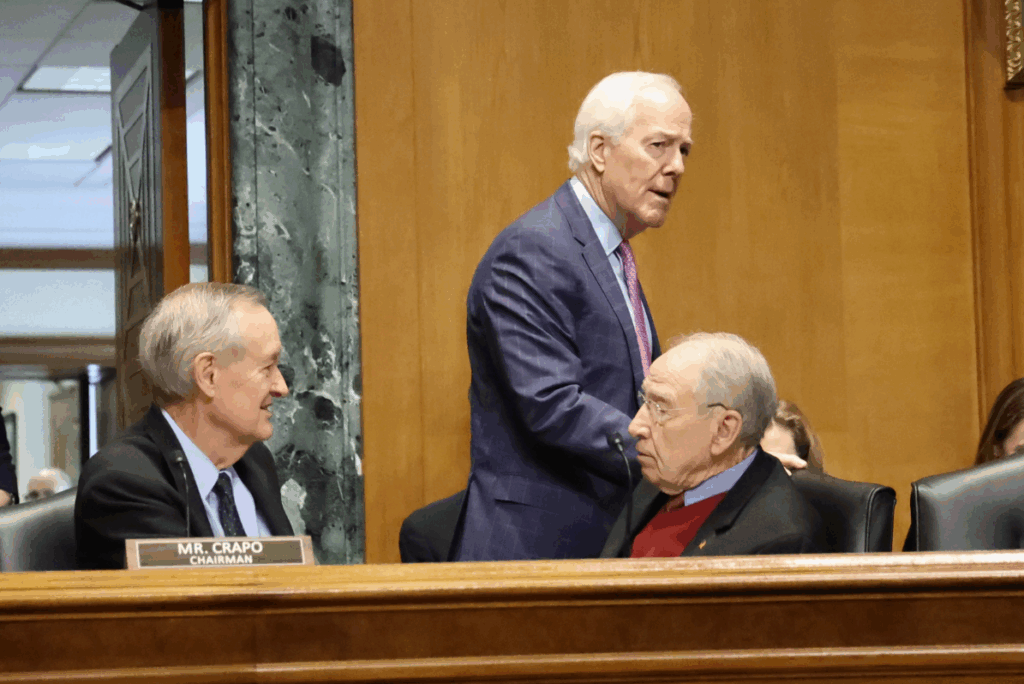
Photo: Sens. Mike Crapo, R-Idaho, John Cornyn, R-Texas, and Chuck Grassley, R-Iowa, during a hearing on the U.S.-Mexico-Canada Agreement on Feb. 12, 2026 (Agri-Pulse photo)
A parade of Republican senators espoused the benefits of the U.S.-Mexico-Canada Agreement during a hearing on Wednesday, countering President Donald Trump’s public indifference.
President Donald Trump has downplayed the importance of the North American trade deal, which he negotiated during his first term, ahead of a forthcoming six-year review slated for July. In January, he called the deal “irrelevant” and argued it has “no real advantage.” Bloomberg reported this week that the president has privately mused to aides about withdrawing from the agreement.
Republican senators, however, argue that withdrawal would be a mistake. During a Finance Committee hearing on Wednesday, a string of senior GOP lawmakers touted the merits of the deal and warned of grave consequences should the U.S. tear it up.
GOP Committee Chair Mike Crapo of Idaho said farmers in his state tell him it’s “vital to maintain the USMCA as a trilateral agreement.” He said the deal has “propelled” U.S. ag exports to Canada and Mexico, which represent a third of all U.S. ag exports.
Similarly, Sen. Steve Daines, R-Mont., stressed the deal’s importance for his state’s producers. He noted that many countries would “dream” of having economies the size of Mexico and Canada as neighbors.
“Increased trade with Canada and Mexico has been crucial for Montana,” and it has “grown steadily since USCMA was ratified,” he said.
The administration’s top trade official briefed Senate Finance Committee lawmakers in December on the administration’s priorities for a forthcoming review. But even as the USMCA enjoys widespread support on Capitol Hill and across U.S. agricultural and other industries, senators told Agri-Pulse that they are still unsure of whether the administration will seek to preserve it as a trilateral arrangement.
“It remains to be seen,” Sen. Thom Tillis, R-N.C., told Agri-Pulse outside the hearing room. He added, though, that walking away from the deal would “be a massive mistake that’ll have negative economic consequences in the U.S.”
As recently as December, U.S. Trade Representative Jamieson Greer refused to rule out the U.S. scrapping the deal in an interview with Politico. But Daines told Agri-Pulse that he is confident that Greer understands the agreement’s value.
“He sees the need for improvement, and better is always possible. But he also sees the big picture and the importance of Canada, United States and Mexico” trade relationships, Daines said.
Sen. John Cornyn, R-Texas, also said he is “optimistic” that the administration will preserve the deal.
The USMCA, he said, “is one of President Trump’s finest accomplishments.”
But Sen. Roger Marshall, R-Kan., isn’t so sure.
“I think it’s very possible we end up with two agreements,” Marshall told Agri-Pulse Thursday. “The president’s relationship with [Mexican] President [Claudia] Sheinbaum is much better than the prime minister of Canada. I just think that probably our agreement with Mexico is working out a little better. I hope we can do it as a trilateral, but time will tell.”
An ag industry lobbyist on Thursday speculated that Trump’s public indifference to the deal could be a tool to strengthen the administration’s hands in the negotiations and may not indicate the agreement is in danger.
“If your country was a successful company – and America is – and you had a business partner that was your largest customer by far, your biggest investor and your most important supplier, would you scrap that partnership or strengthen it?” former Ways and Means Committee Chair Kevin Brady, R-Texas, said during the hearing.
The administration is entering the review with an eye toward improving the terms for U.S. producers. In comments to the Finance and Ways and Means committees last year, Greer identified several negotiating priorities, including improving U.S. dairy market access, addressing high volumes of low-cost produce imports from Mexico, and securing additional protections from geographic indicators.
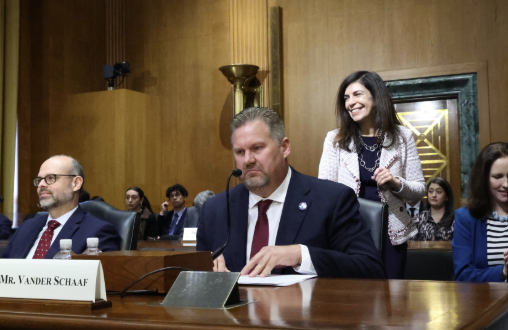
Photo: Ted Vander Schaaf (Agri-Pulse photo)
During the hearing on Thursday, Ted Vander Schaaf, an Idaho-based dairy producer, told lawmakers that the U.S. dairy sector would benefit from “targeted” improvements to the deal, including by overhauling Canada’s allocation of its dairy tariff-rate quotas, setting a price floor for Canada’s whey protein products and inserting language to protect common cheese names.
“If we were to lose this agreement, it’d be devastating to our rural communities,” Vander Schaaf said. Almost 20% of U.S. dairy production ends up being exported to overseas markets.
Terminating the agreement would hurt “very deeply,” Vander Schaaf said. “This agreement allows many dollars to come back into” the U.S. rural economy, he added.
For more news, go to Agri-Pulse.com.
*Sourced from Agri-Pulse.